



Start where you are.
Use what you have.
Do what you can.
01
Welcome!
Hi, I'm Beverley. I am a Precision Nutrition Level 1 Coach. I am also working towards becoming a Certified Nutritionist by the end of 2023 with Mac Nutrition University.
My own journey to health and fitness has not been without its struggles, especially as the passing years have conspired to get the better of me and my health. Not to be defeated, in 2019 I started to take care of my nutrition and began strength and resistance training.Now a fit, stronger and active 50+, I'm passionate about helping people practice healthier and sustainable nutrition and lifestyle habits.
My learning will never cease. By keeping up-to-date with latest science, evidence-based and peer-reviewed nutrition developments I can be in the best position possible to advise my clients safely and responsibly, and have confidence in doing so.
I recognize that everyone is different and should be treated according to their unique individuality and preference. I will not try to convince you to give up the foods you enjoy, but will work with you to develop a strategy that helps you. I focus primarily on habit forming techniques to help you achieve your dietary and lifestyle goals.
If you are ready to commit to improving your health and well-being and you would like to find out more please reach out and get in touch. I'd love to meet you.
Please Note: My website remains under development for the time being; meanwhile, save me in your favourites and keep a look out for updates.


02
Work With
Me
Consulting
1-to-1 Coaching
Consulting
Consulting Services
Sports Nutrition

At present, I am committed to my studies so that I can better help my clients in the future. Regretably, therefore, I am not taking on any new clients at present. However, please feel free to contact me or look out for further information via my social media pages. Thank you
03
Client
Testimonials
Nancy
I would highly recommend Beverley Forbes Nutrition!
Simply put, Coach Bev inspires you to be better!!
Karen
Beverley has been amazing. She has the patience of a saint, is so encouraging, helpful and positive, even when you’re having a bad day - no food is bad! I would recommend her to anyone that wants to change their habits, they won’t regret it!!


04
Contact
Details

beverleyforbesnutrition@outlook.com

(0034) 651 185 473
Or click on one of these links:



Food For Thought
Exploring all things food and nutrition

A Tale of Trust and Compassion: The Beggar's Path
My latest blog is not what you might expect, but definitely "Food For Thought".
Follow the link and I hope you enjoy the read.


Blog Archive
Is High-Fat Food Bad For You?

My Top 10 Favourite HighFat Foods & Why I Include Them In My Diet
Grow Your Own Nutrition
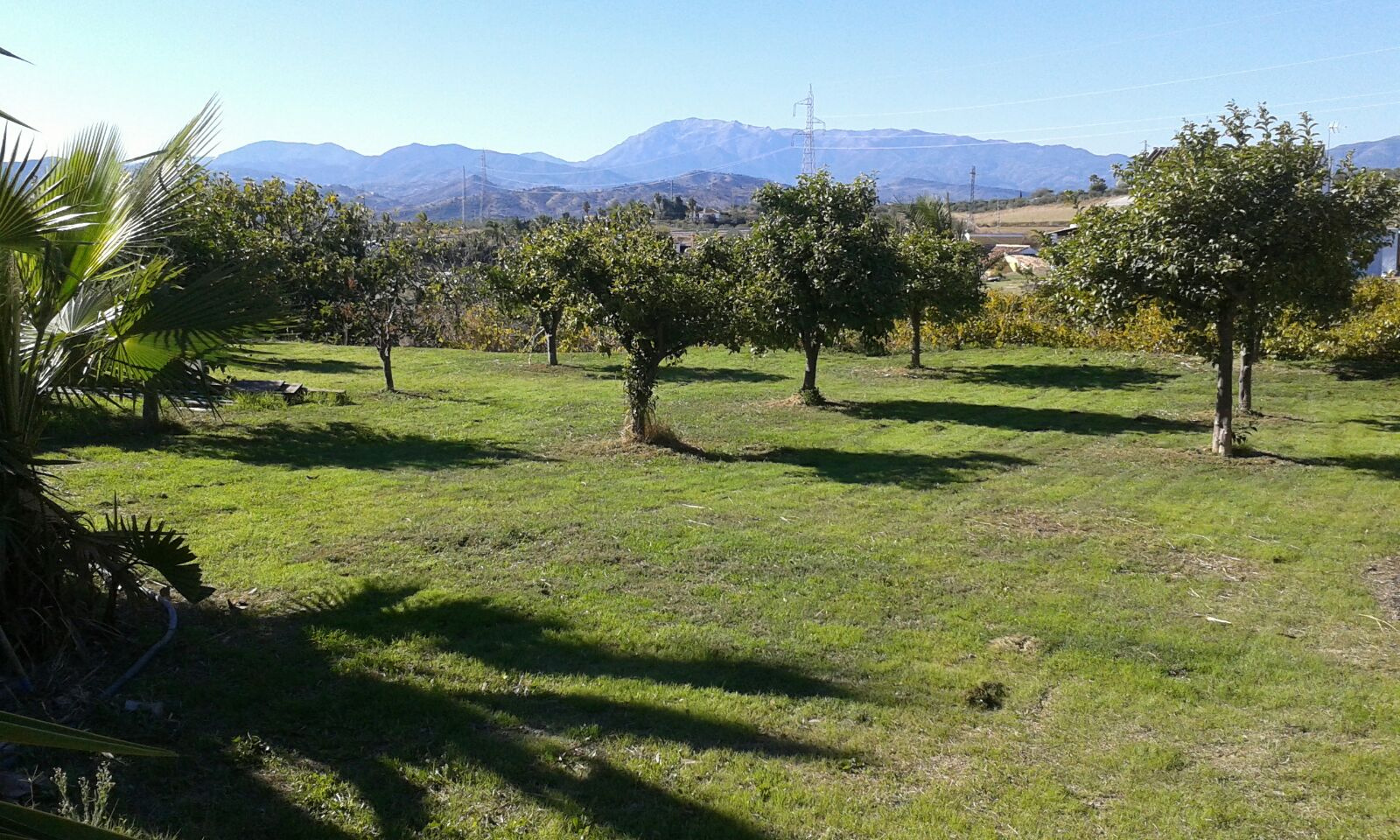
Welcome to Finca Tres Hermanos!
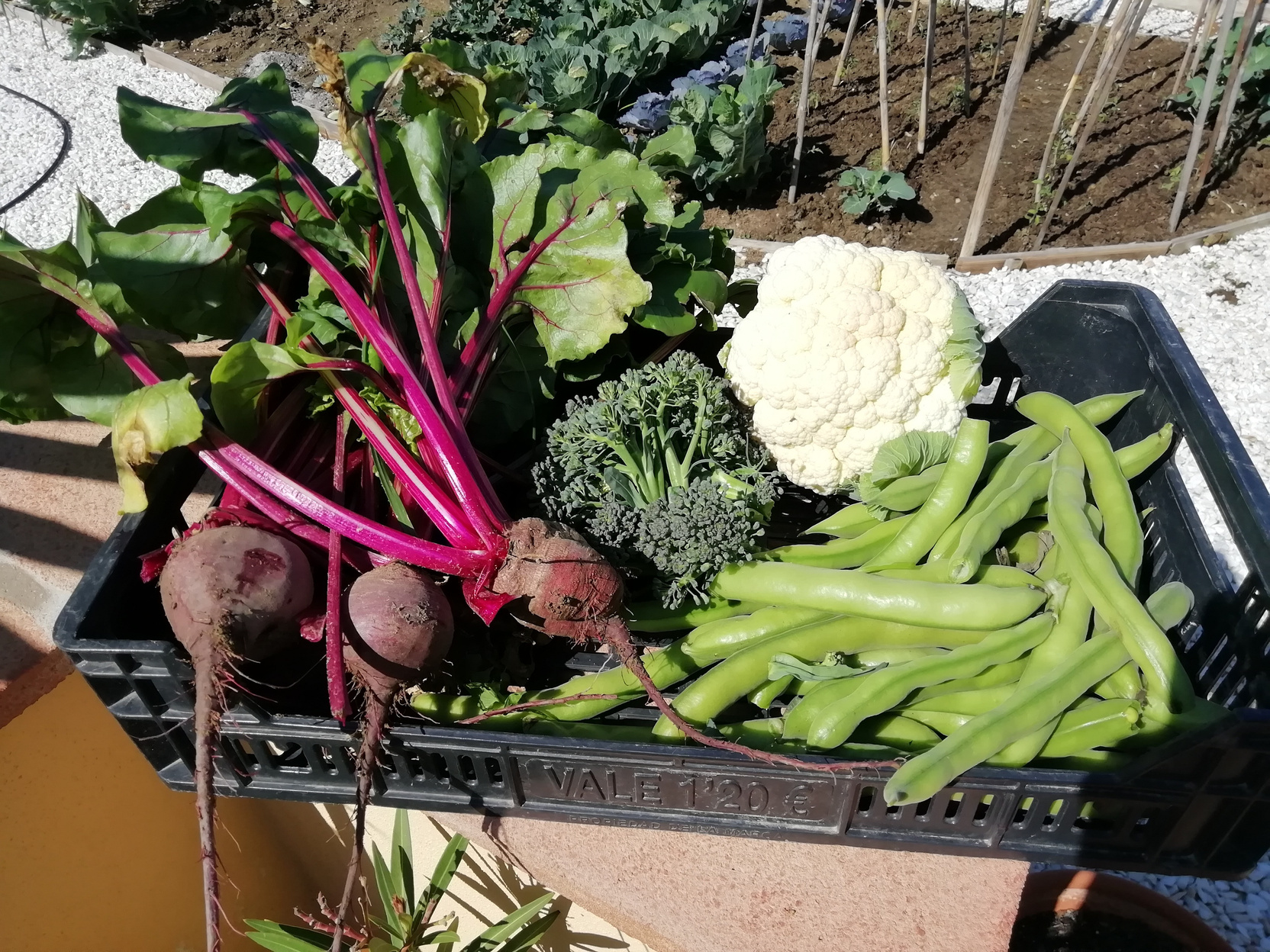
My husband Scott has enjoyed growing his own vegetables since he was a boy. He would never claim to be an expert, but I think he's pretty good at it so I'm delighted that he's agreed to be my resident expert here on Beverley Forbes Nutrition.
We live in an ideal spot (Andalucia's Malaga Province, in the beautiful "Valle de Guadalhorce", with rich and fertile soil). You can be forgiven for thinking that we have the perfect weather all year round. Whilst that's pretty close to the truth the weather here can also be unpredictable and so brings its own unique challenges to the vegetable growers in the region.
We invite you to come with us as we share the ups and downs of vegetable gardening, month by month and we'll try to impart some knowledge along the way. We hope that you will be inspired to give 'growing your own' a go so that you may enjoy the 'fruits' of all your own hard work. What better way to combat rising supermarket prices, than fresh air in your lungs and dirt in your toes?













Our main focus this month is the preparation of beds for planting. This can be done at any time or as soon as the weather permits. Hubby has created some 3 x 2m raised beds which is a complete change from previous years where we've had several large allotment style' plots. The main reason for this is to try and conserve water which is becoming increasingly precious with our changing climate. What we aim to achieve is more efficient use of space, available water supply, and ease of maintenance.
We've used long ceramic bricks called raciones (ra-see-on-ehs) and iron rods which have been cut down to secure the blocks in place. The raciones are about 30cm deep by 1m long. They won't decay or rot, and their size makes them ideal for raising our beds to just a little above ground level. We've filled the beds with fresh compost, existing soil, and locally supplied manure.
Before I tell you what we've planted, just a note about growing seasons: Obviously, living in a warmer climate means that we can start planting our summer salads and vegetables in March or April. It'll doubtless be a different story depending on where you live in the World and even where you live within that country too. Be guided by your local garden centres or plant suppliers if you're unsure about when to plant your seedlings. As a rule of thumb, whatever is available to buy is ready to plant! Of course, if you're really brave and want to grow from seed, the little packets will provide all the guidance you need.
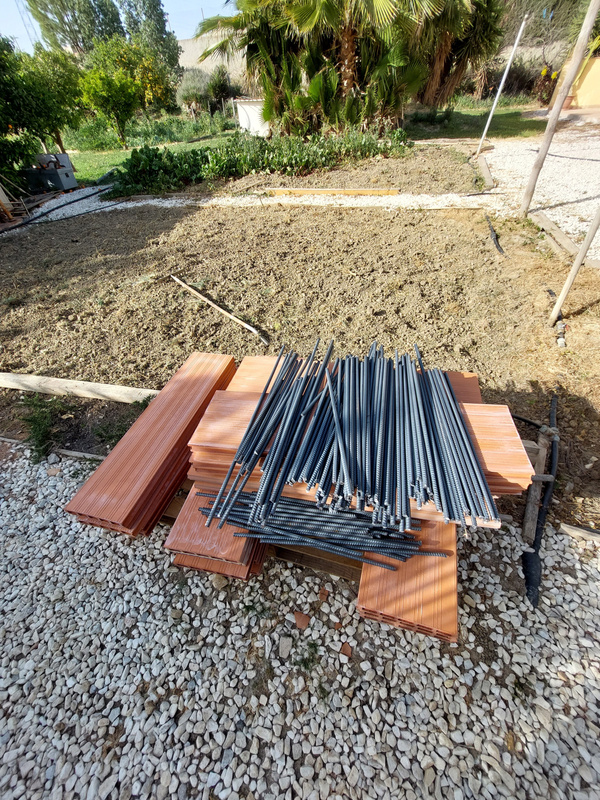
Raciones and iron rods for making the raised beds
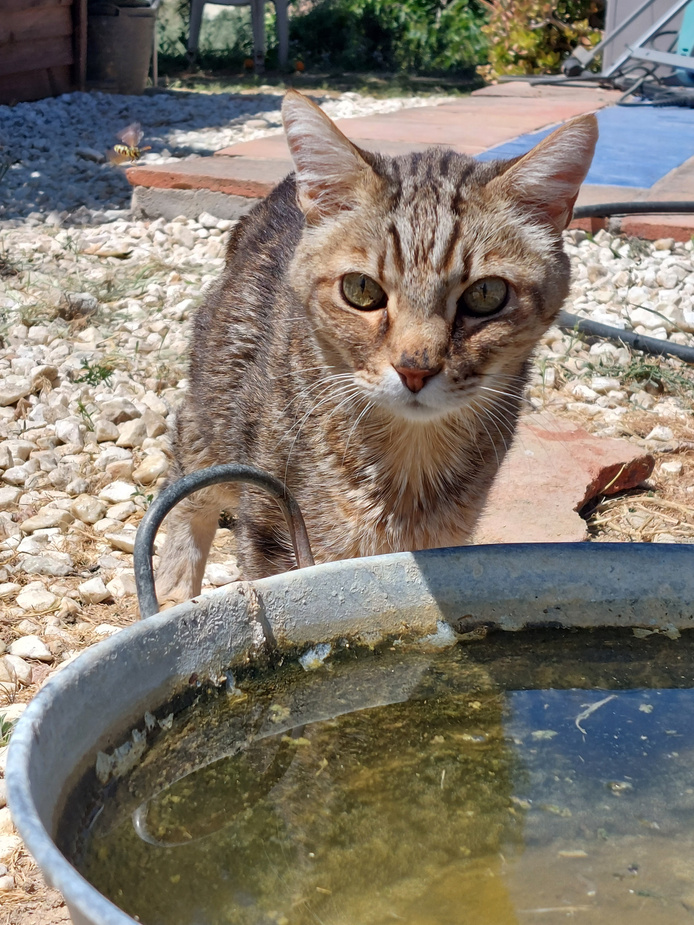
Our oldest resident Humbug likes to keep an eye on proceedings (in between naps!)
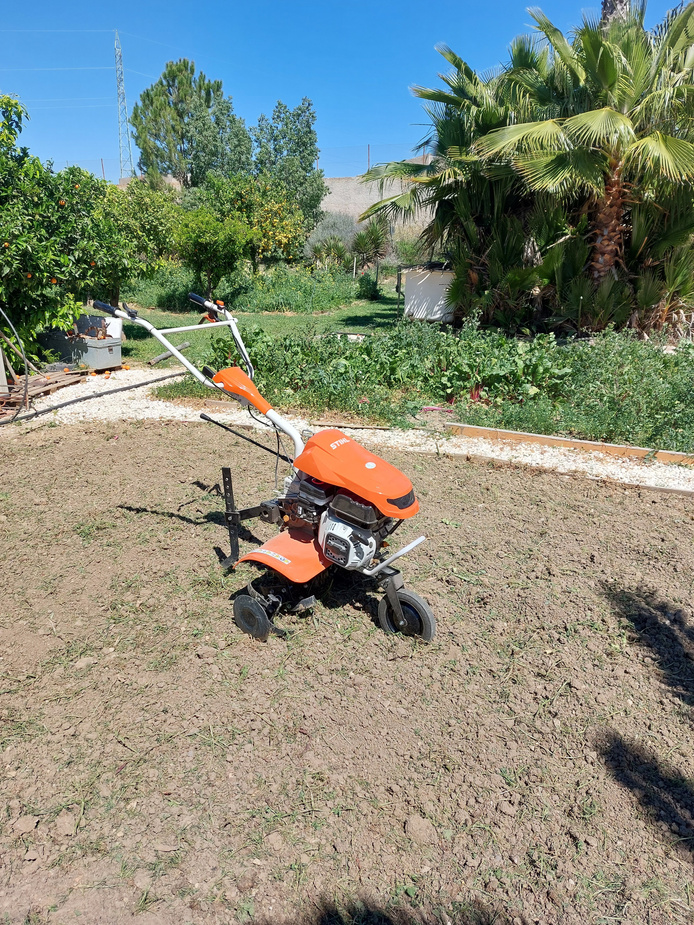
Our rotivator : A must for a large plot like ours.
A real weed buster!
In the beds are:
- Peppers (a sweet Spanish variety)
- Courgette (Zucchini)
- Cucumber (Spanish Pepino)
- Runner Beans
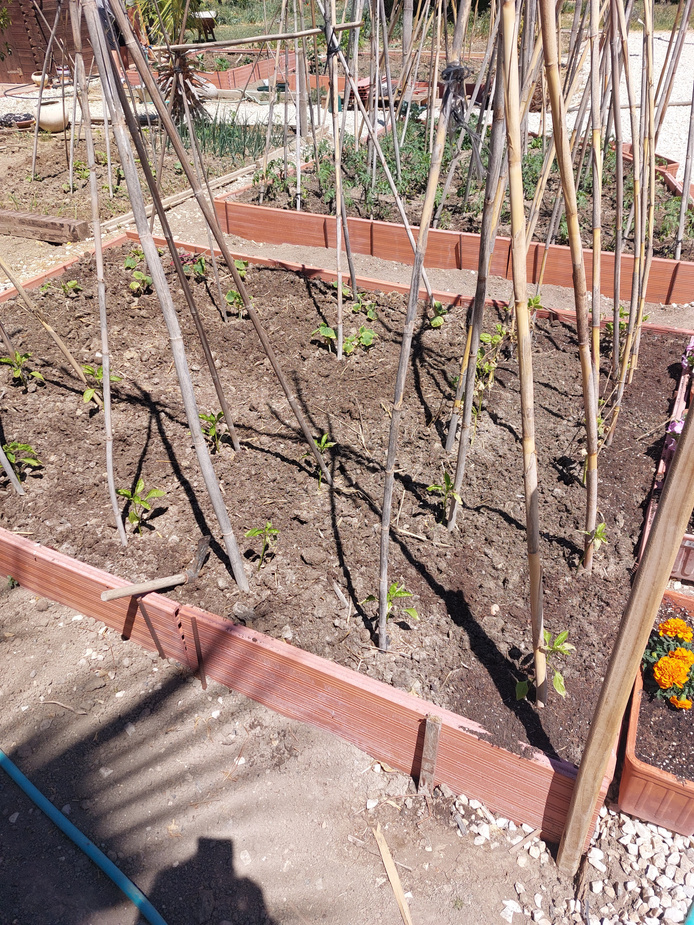
The bed pictured after first planting. We'll see how things develop!
- Tomatoes (Raf & Castellano - loosely tie your tomato plants to the canes when they're well rooted; about two weeks later)
- Lettuce (Iceberg)
- Peruvian Ground Cherry (self-seeded from last year!)
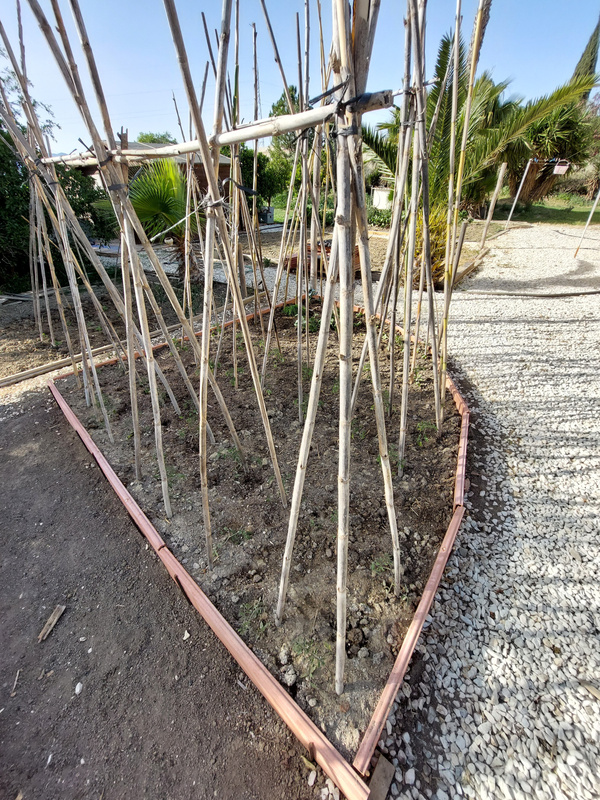
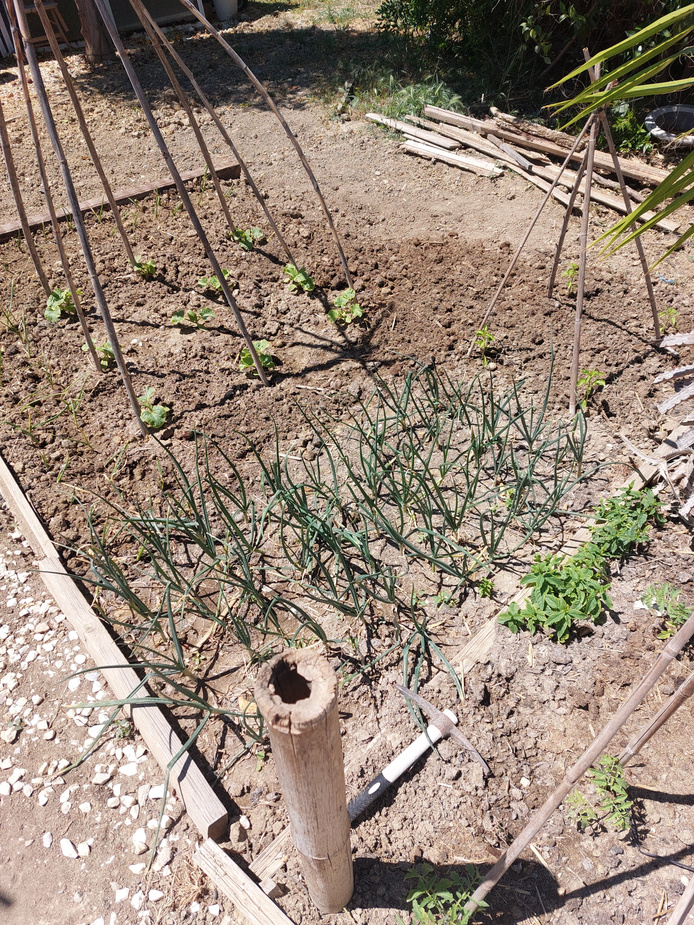
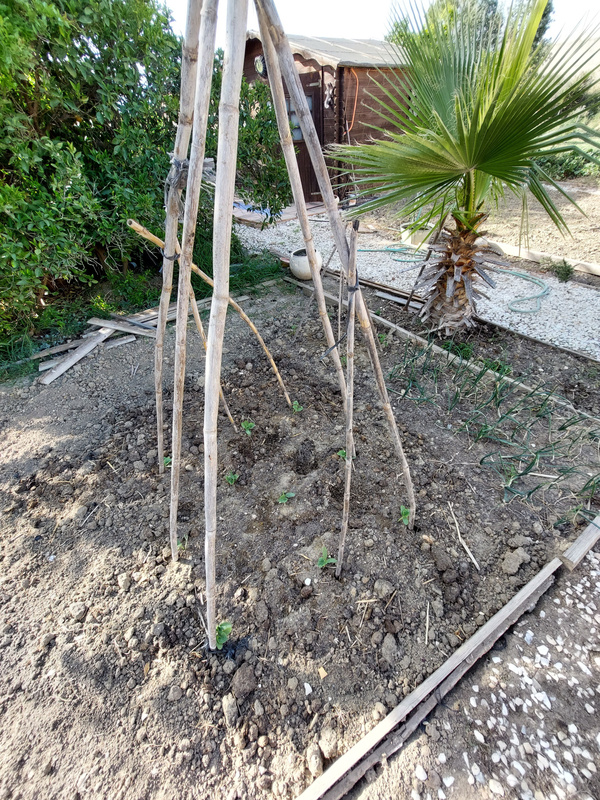
Our tomatoes, two weeks between planting. This is the time to start tying them to the stakes and pinching out the unwanted shoots. See the 'how to' video if you're not sure how to do this.
In the 'how to' video below I show you how to 'pinch out' your tomatoes. You don't need to worry about this until they are comfortably rooted and begin growing but it's definitely not a job to neglect, or you'll end up with very bushy plants and not so many tomatoes!
My husband is much better at explaining, but he's camera shy!
- Onions (Spanish White)
- Spicy Red Chillies
- Melons (Spanish Pielsapo or Honeydew)
After the same two week period our onions are doing well and the melons (top) and peppers are not far behind. (Spot the wild mint growing near the top right of the picture. That will need controlling. Moroccan Tea anyone?
Scott has created two more beds. We have a follow-up crop of tomatoes and fruit (Raspberries, Arandanos (Blueberries), and Strawberries. I think we should have some sort of fruit cage but Scott's in charge and he's not listening to me. We'll see what happens.
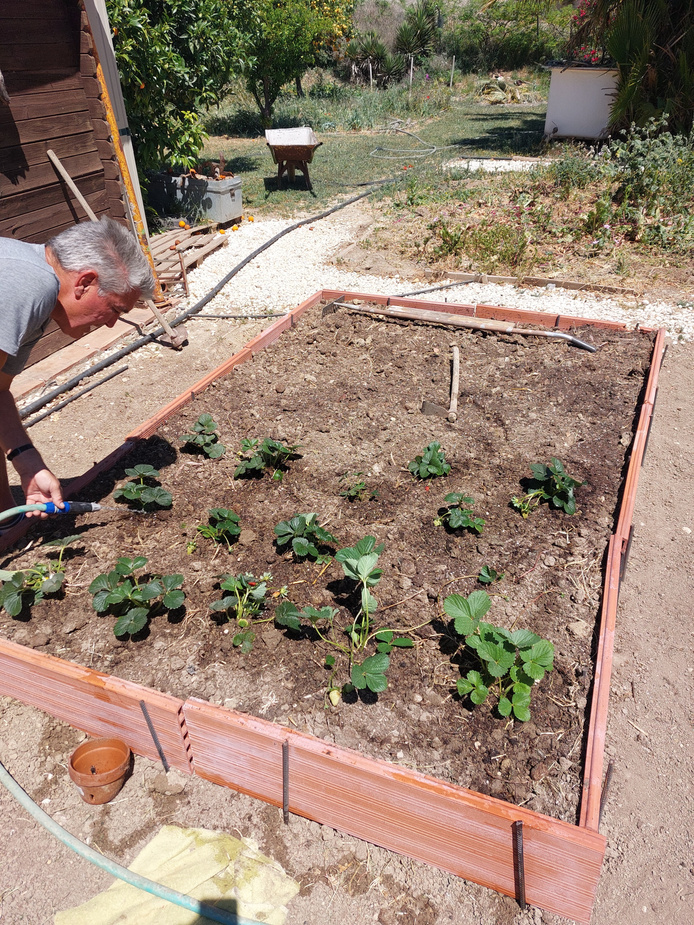
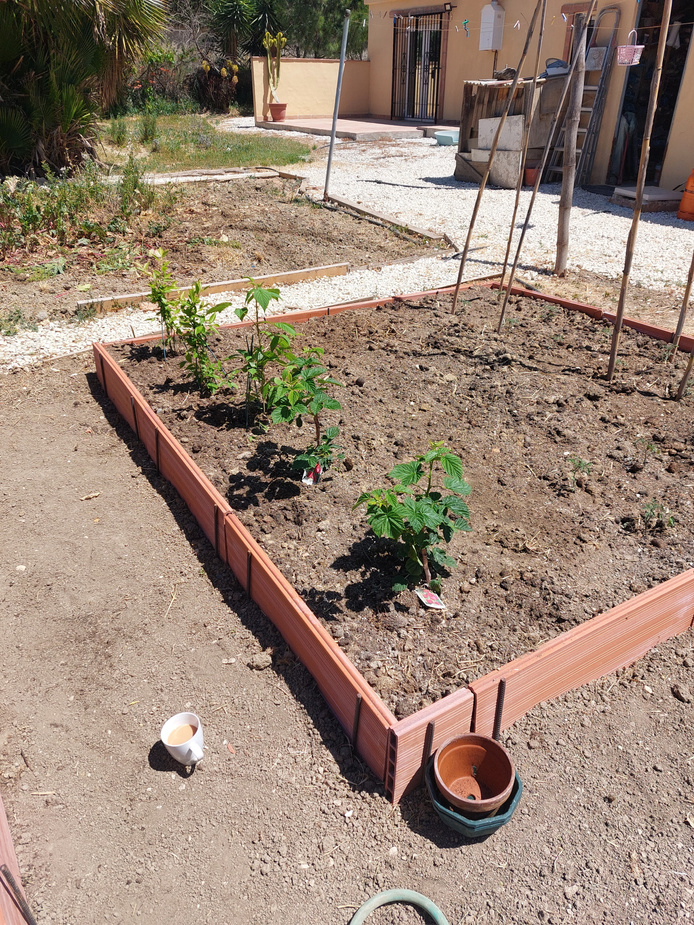
Left: Strawberries. Right (front to back): Raspberries, Arandanos and Tomatoes. In the middle: A mug of tea to keep the chief gardener happy!


This month I thought I'd experiment with a video editor and present May's update as a video blog. I daresay that I have some improvements to make but it's been fun putting this first attempt together and we all have to start our film career somewhere?!
I took so many photos of our vegetable garden that to put them all in a wordy update would take forever so that's another reason why I thought a video would work better. (Note to self: Sort your hair out before the next one!)
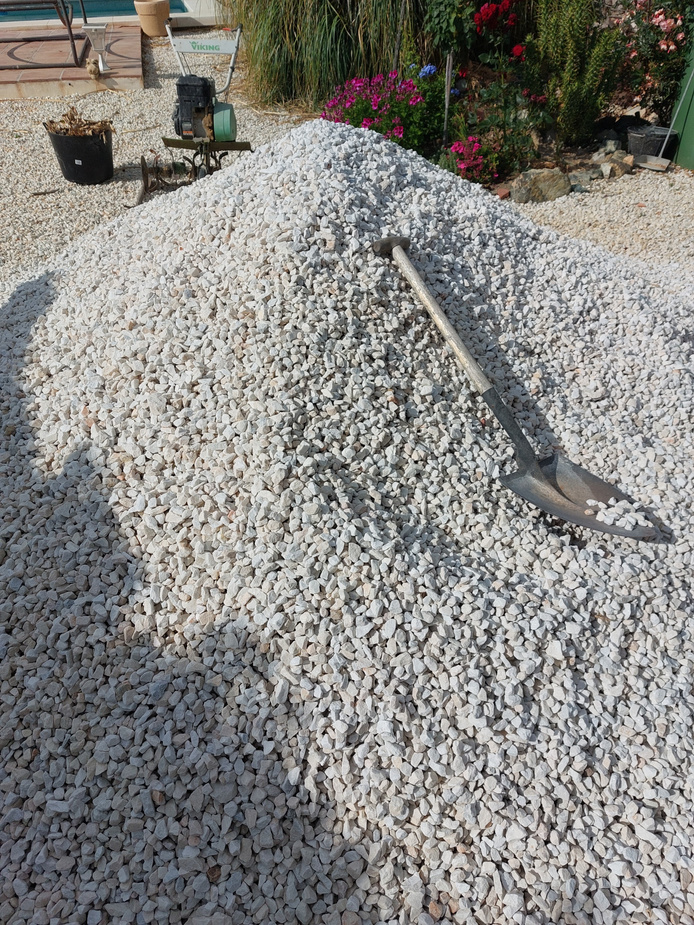
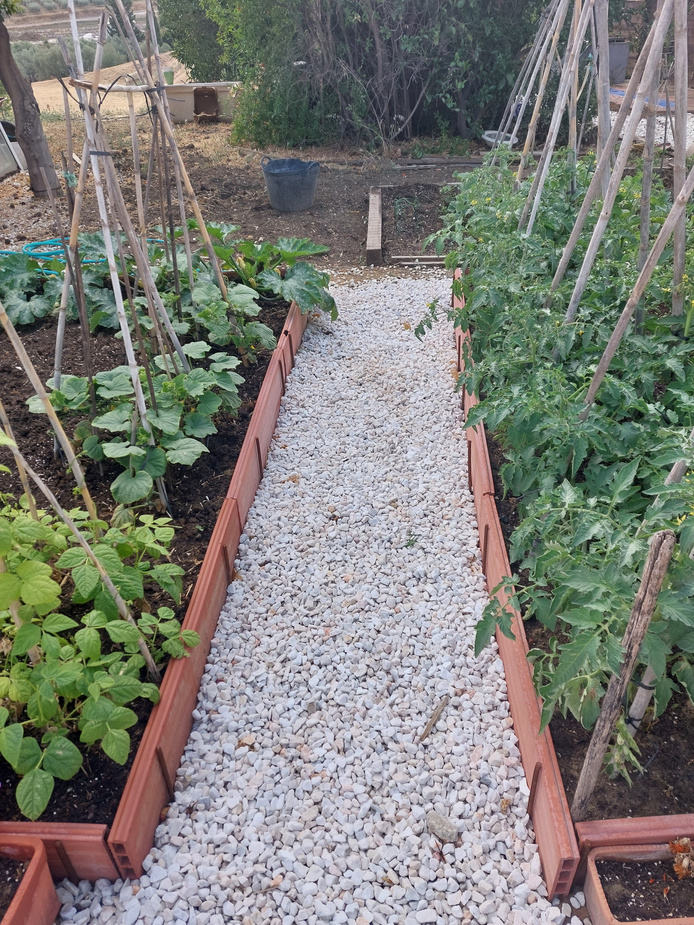
I forgot to mention: Hubby (a.k.a: THe Head Gardener) ordered some stone to make footpaths in between our raised beds. This little lot's gonna take some shifting!


Whether you're in Southern Spain or the UK, June is the month when crop gathering intensifies and you can really begin to reap the rewards of your work. Maintaining beds and keeping weeds down is important for spotting any pests that might be lurking in maturing plants. On that particular note, keep an eye out for any broken, weakening and dying parts of the plants and snip these off to maximize on your crop yield. Watch out also for larger leaves and stems that might be invading adjacent plants. You want to maintain good neighbourly order so that nothing is hampered from achieving its maximum potential.
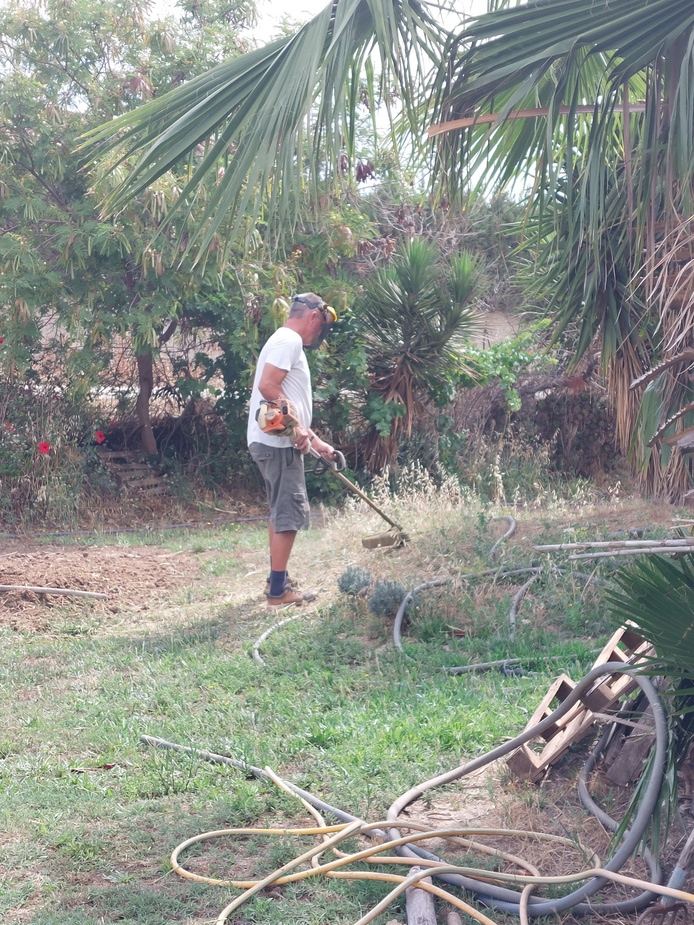
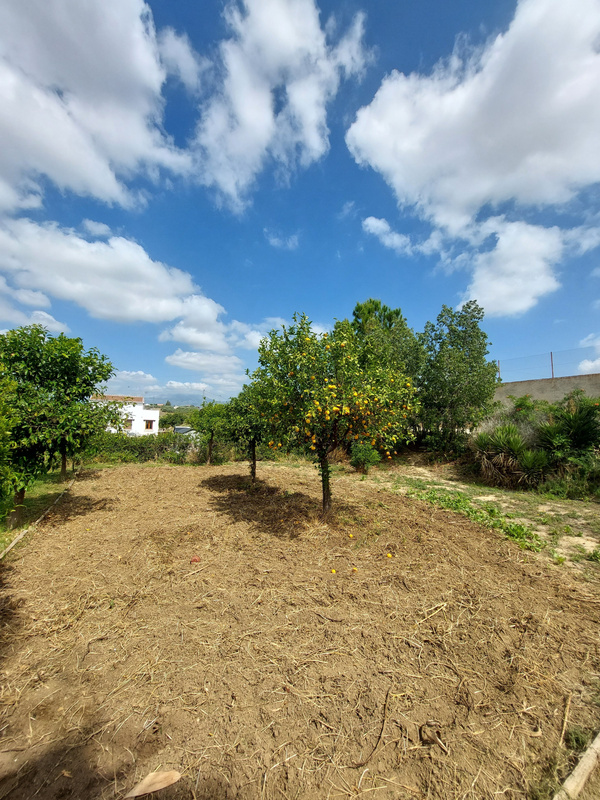
While the summer vegetables are largely taking care of their business of growing, if you're lucky enough to have the space, use this time to clear and prepare new beds for use later in the year. For us, this has meant rotivating the larger beds in the fruit orchard and trimming some trees that are getting in the way, so that we can get around without fear of receiving a poke in the back from a low hanging branch! I'll just acknowledge here that June is NOT ideally the time to be trimming your fruit trees here in Southern Spain, this is usually reserved for the winter. Our trees are well-established, however, so apart from the promise of a reduced citrus crop, no other harm will be done.
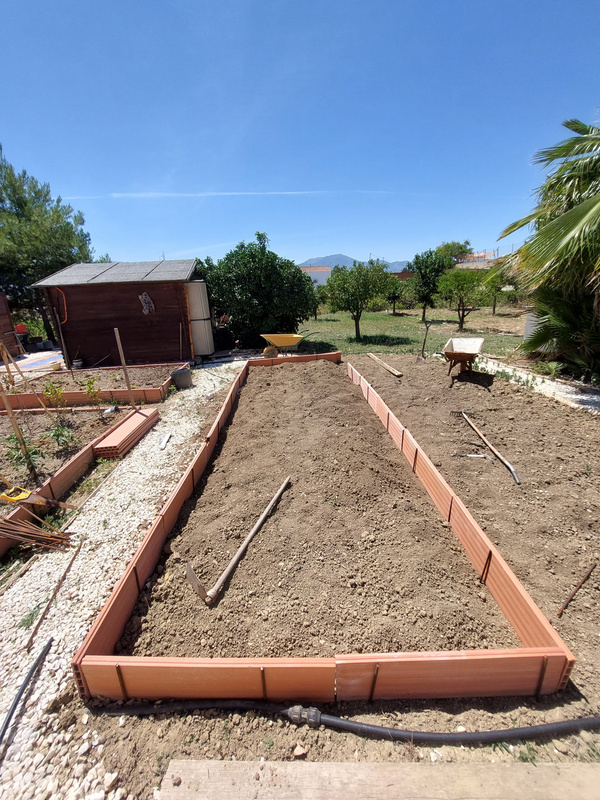
Pictured: Some of the heavy duty jobs being done this month. New raised beds are created and Scott clears the orchard patch. We'll let these rest, ready for planting in the Winter.
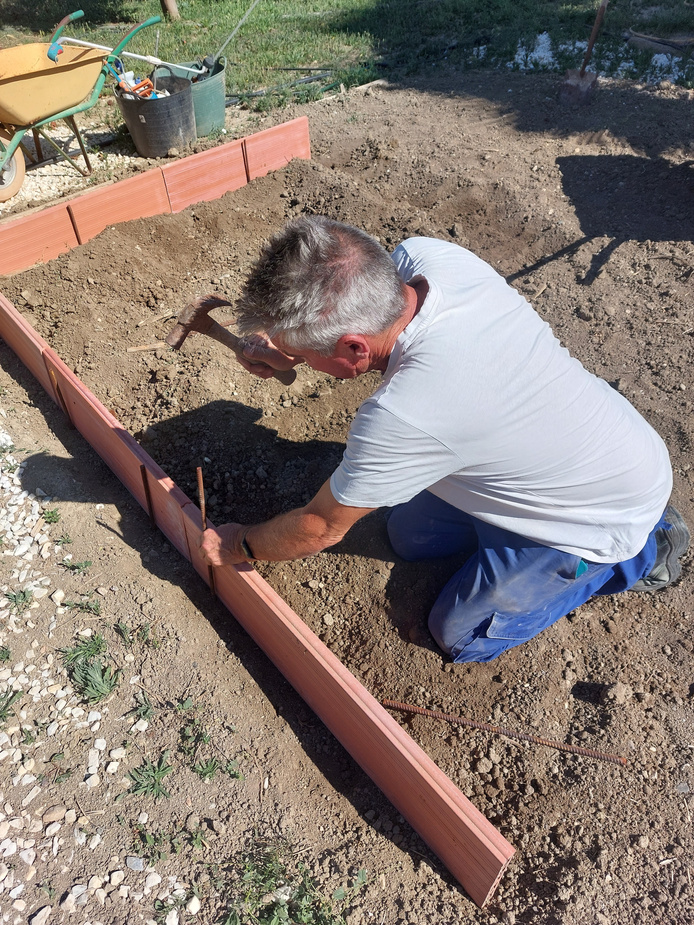
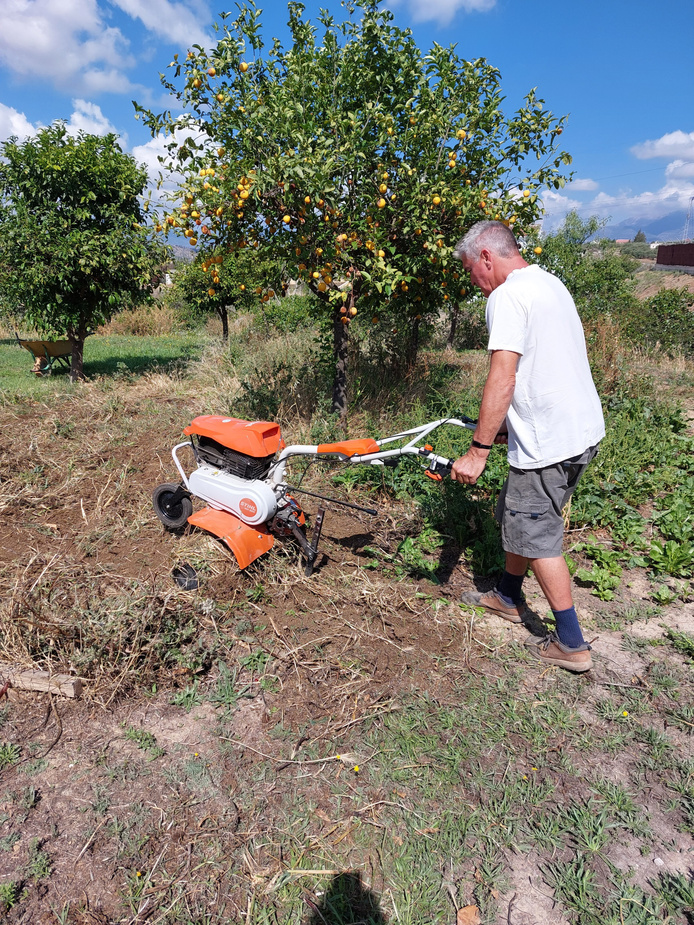
We are harvesting courgettes, runner beans, cucumbers, tomatoes (including our later sown cherry varieties), peppers, and onions. Our Honeydew melons are beginning to fatten up nicely too.
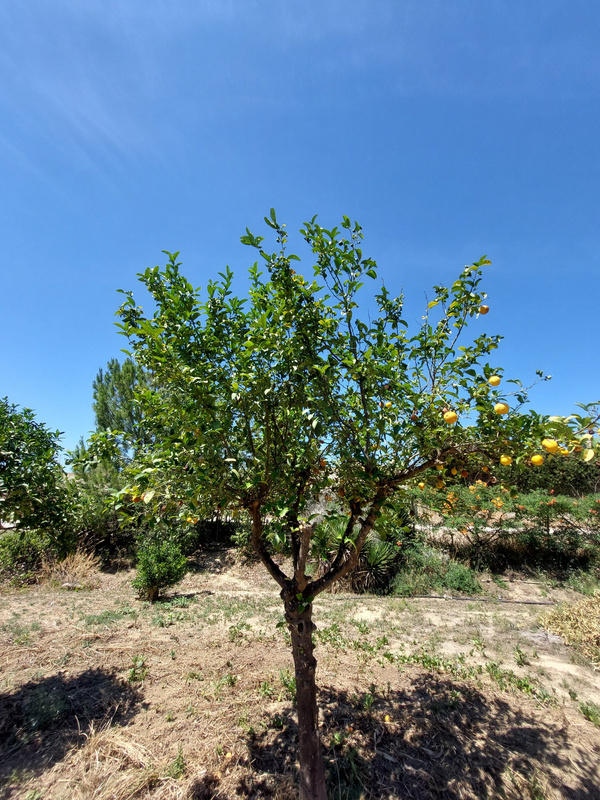
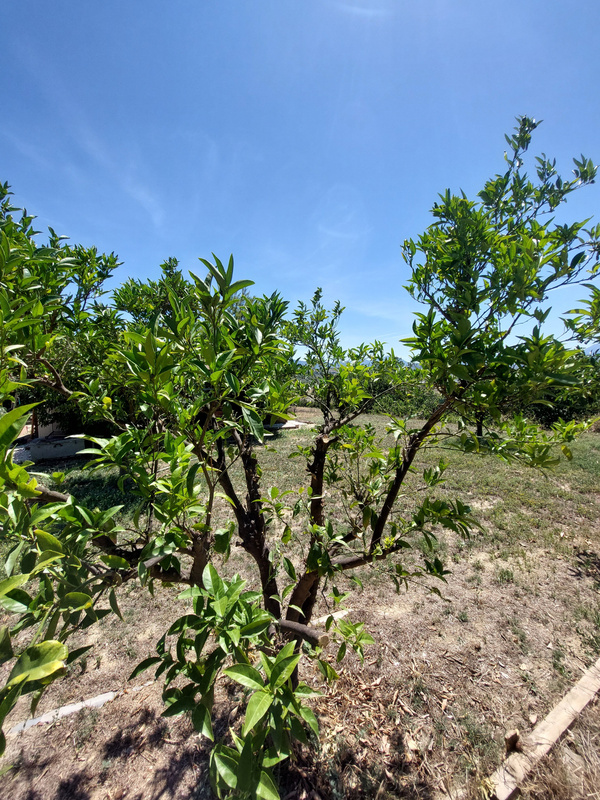
One of our lemon trees pre- and post-pruning. Our kittens (Wilma and Betty) have shown their delight at discovering this means they have a whole new addition to their playground!

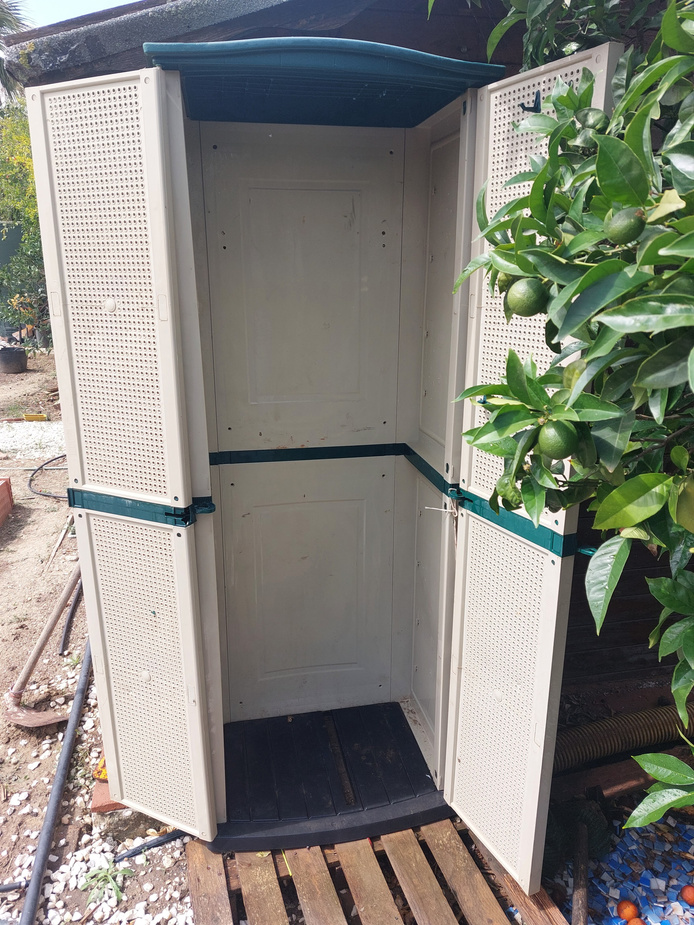
Don't forget!: Your garden tool sheds need as much TLC as your veggie patch (especially if you're a bit untidy like us and can't find your tools!)
RECIPE IDEAS:
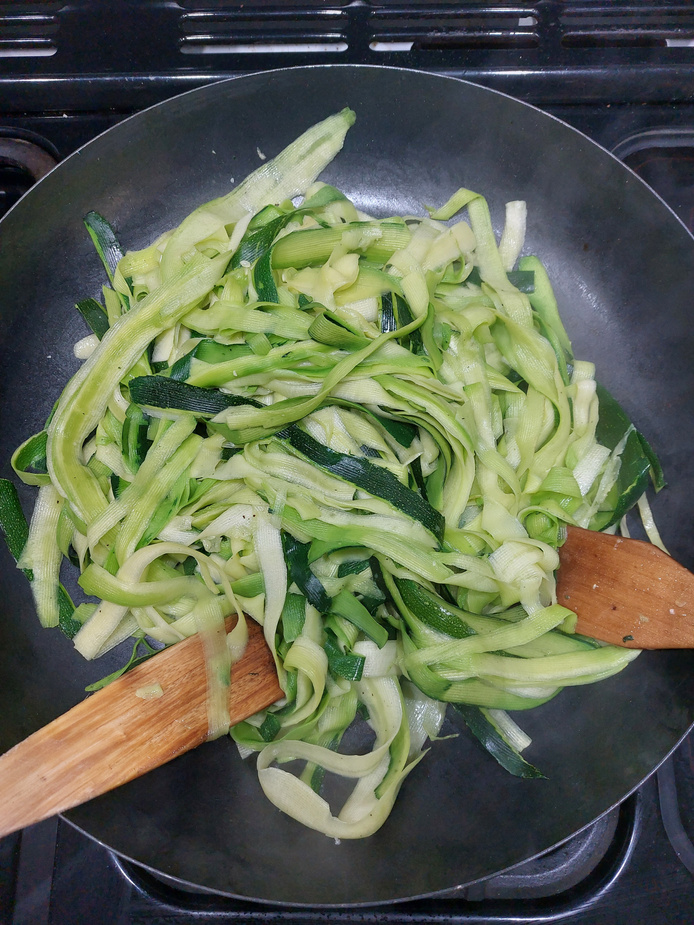
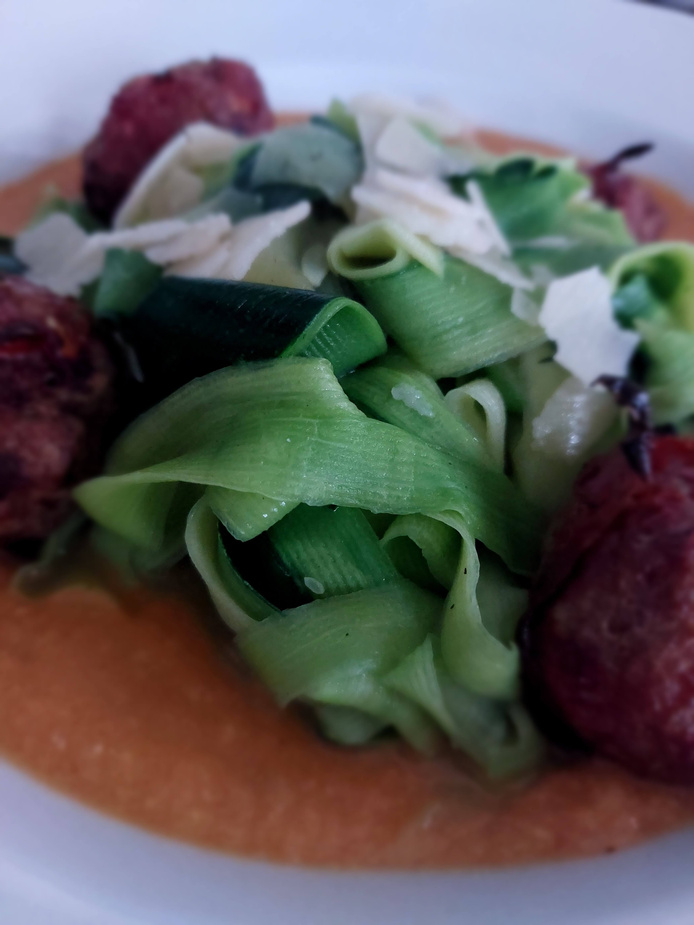
Courgettes make a wonderful alternative to Pasta on occasions you fancy a low-carb meal. They're super-easy to prepare. Feed them through a slicer (I used a potato peeler), toss them in a little olive oil and warm them in a large skillet or pan.
We served ours with home-made meatballs and a sauce made from the bits of courgette I couldn't slice (plus some other stuff!). A sprinkle of Parmesan shavings added a dash of "Italian-ness!"
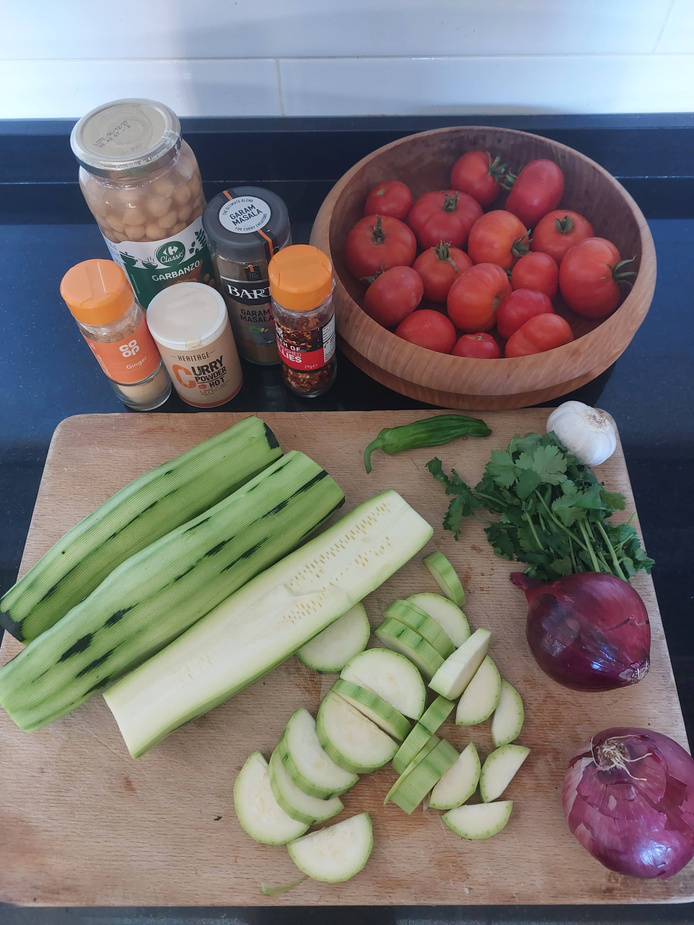
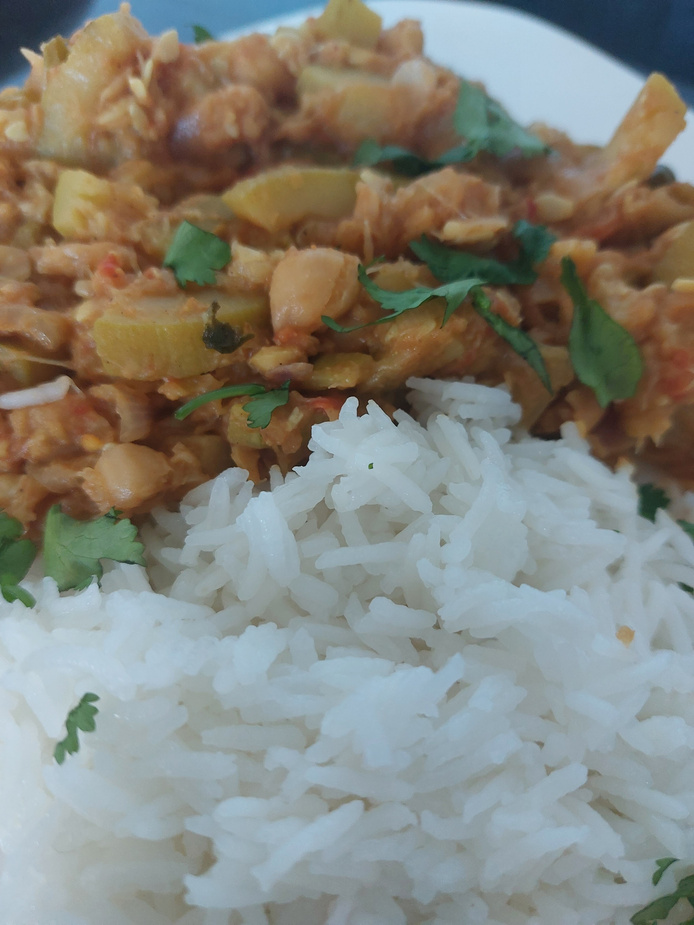
You simply have to try this dish if you love Indian food! I came across this gorgeous recipe while searching for some ideas for using up our courgettes. I varied the recipe based on what I had in my food cupboard but the taste was still delicious! I love that it's a fairly dry curry so you can save on Calories if you're on a deficit. One to definitely recommend!

for the recipe


Greetings, green-thumbed amigos! As we embark on the fiery month of July in sunny Southern Spain, it's time to dive into some vegetable gardening updates that will hopefully have your garden flourishing. Get ready for showing a lot of love for your precious veggies, and let's jump in and turn up the heat on our gardening game! If you're reading this in the UK, this will be pretty much the same.
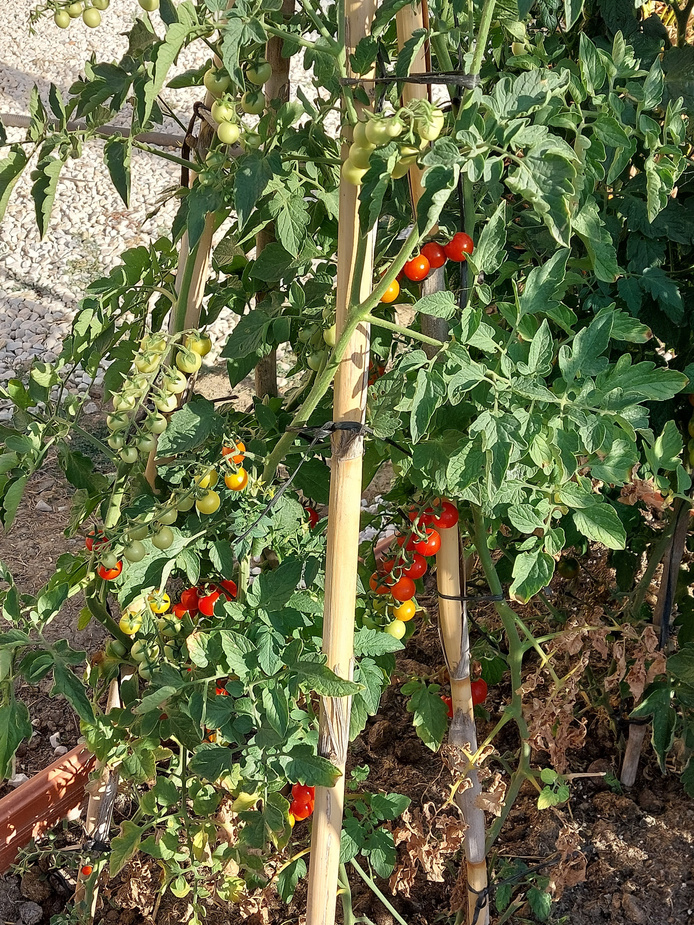
Tomatoes are likely one of the stars of your garden. As the temperatures rise, ensure they receive sufficient water. Aim for deep watering, allowing the soil to dry slightly between waterings. Be careful not to overwater, as it can lead to diseases. Continue to prune out unwanted growth and monitor for pests and disease.
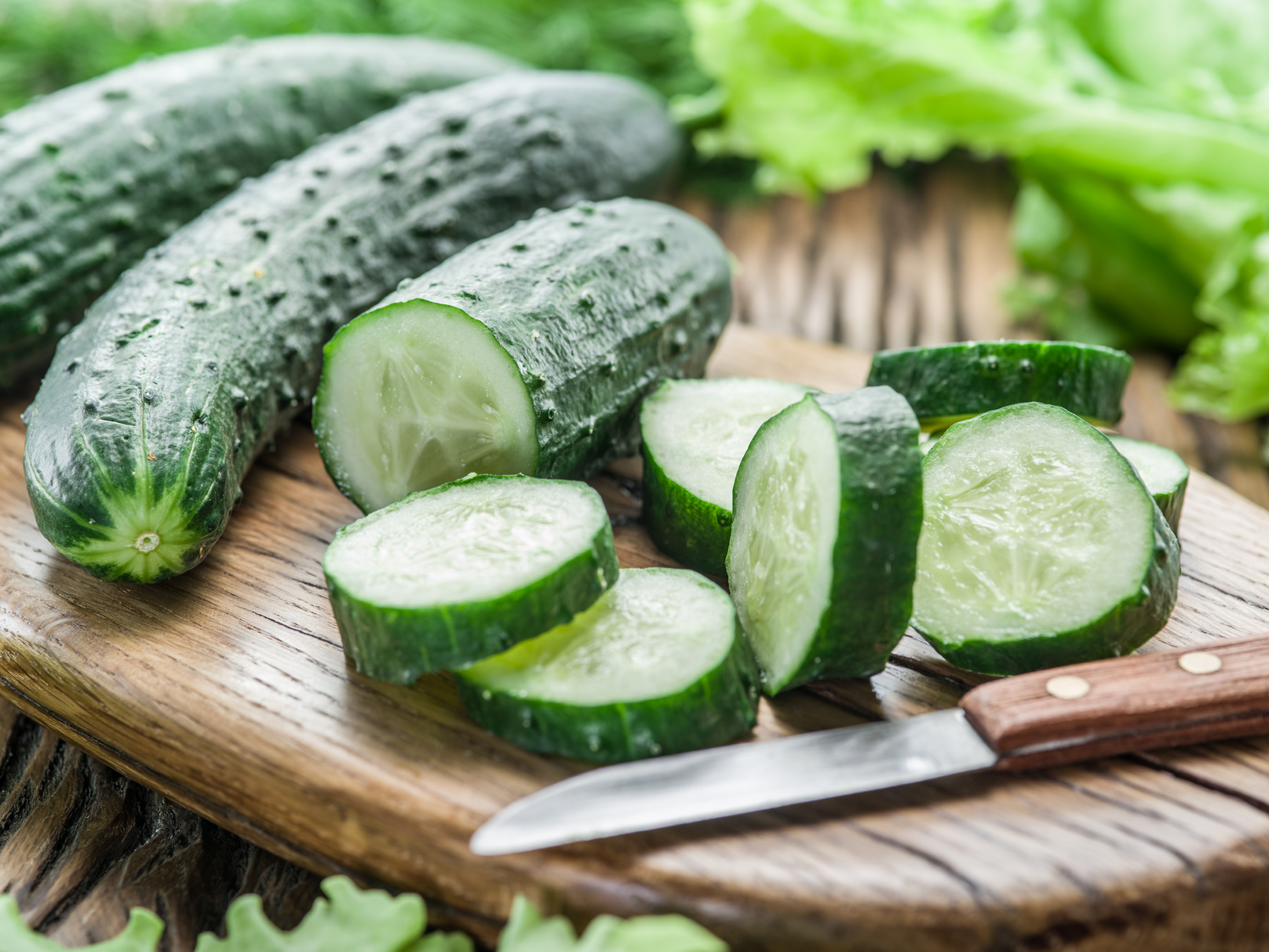
Cucumbers love warm weather and are prolific growers. Consistent watering is crucial for cucumber plants, especially as they start producing fruits. Ensure the soil remains evenly moist but not waterlogged. If your plants are anything like ours, the vines need training to climb trellises or supports, allowing them to grow vertically. This helps increase air circulation, reduces disease risk, and makes harvesting easier. Regularly harvesting when they reach the desired size will help further production.
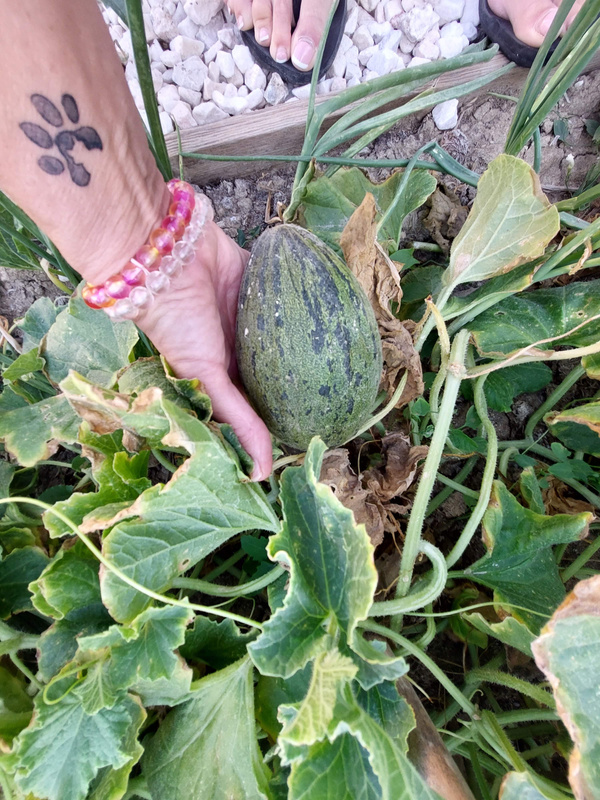
Melons are a delightful addition to any garden. Provide melon plants with deep, consistent watering. Aim to keep the soil evenly moist, but avoid water-logging, as it can lead to root rot. Trim off excess vines and leaves to allow better air circulation and sunlight penetration. Also, thin out fruits if there are too many on a single vine to ensure good size and quality.
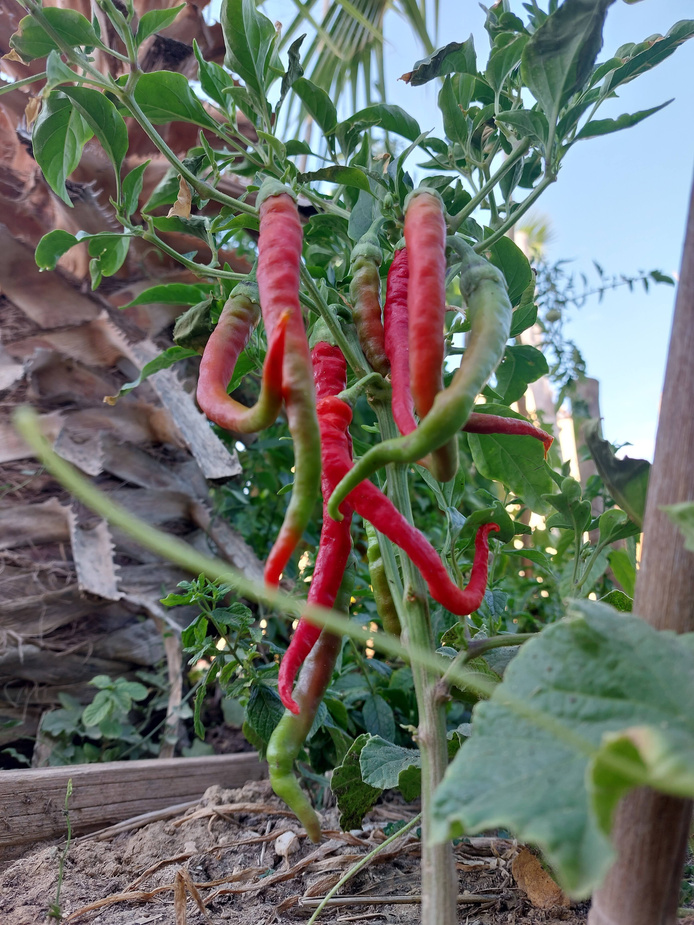
Peppers thrive in the summer heat. Ensure pepper plants receive regular, deep watering, especially during dry spells. Apply a balanced organic fertilizer to provide essential nutrients for healthy plant growth and fruit production. If, like us, you have a regular supply of manure, this will suffice. Use stakes or cages to support pepper plants, particularly if you're growing larger varieties. This prevents branches from snapping under the weight of the fruit.
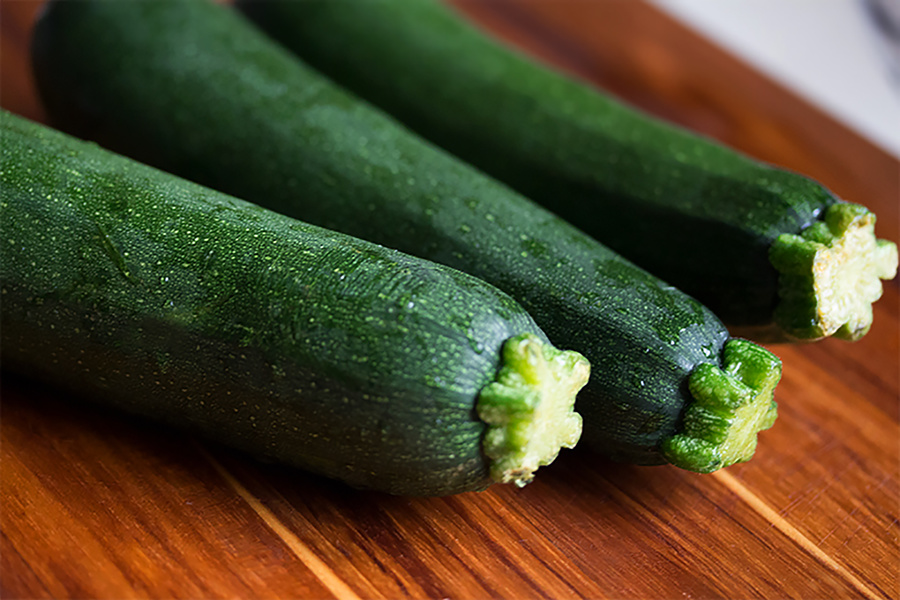
Courgettes are prolific producers, and July is a busy month for these plants. Regularly harvest courgettes when they reach a desired length as this will promote further fruiting. Keep an eye out for powdery mildew, a common issue in hot and humid weather. Avoid overhead watering, and ensure good air circulation. If you notice a lack of fruit development, gently hand-pollinate the female flowers using a small brush or by transferring pollen from a male flower.
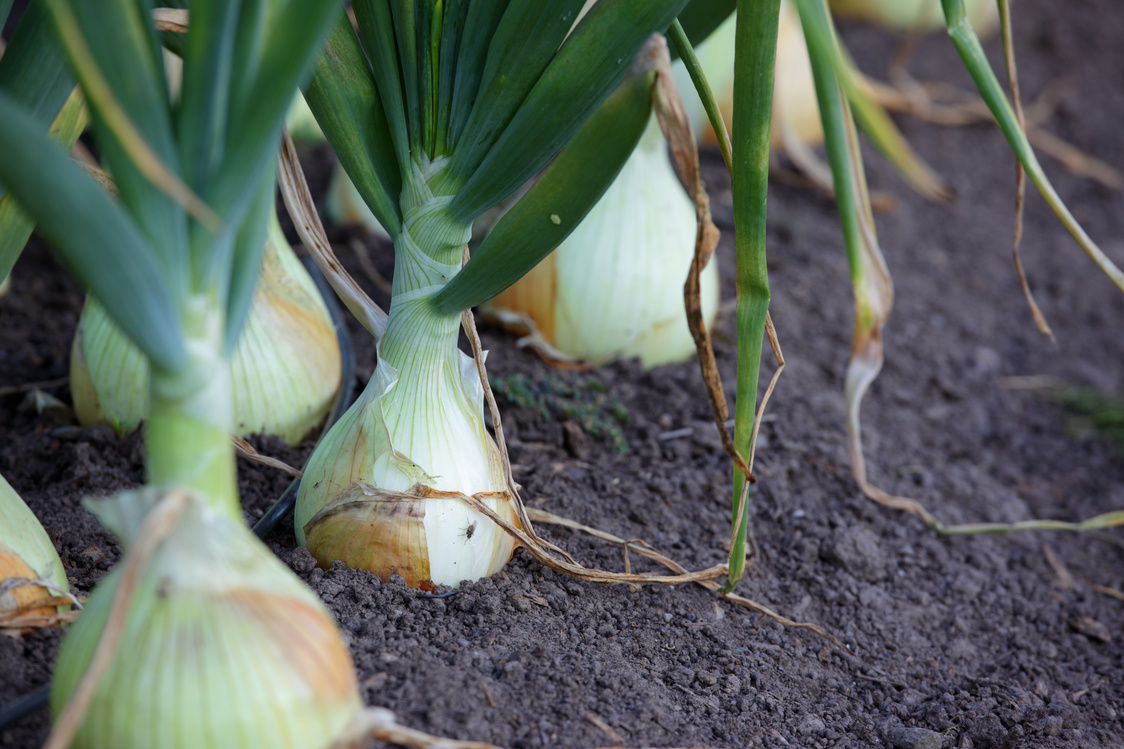
Onions require attention during July to ensure healthy bulb development: Maintain consistent soil moisture for the onion bed. Onions have shallow roots, so ensure the top layer of soil doesn't dry out completely. Keep an eye on the onion tops, and once they start yellowing and falling over, it's a sign that they're ready for harvest. Carefully lift them from the soil and allow them to dry in a well-ventilated area before storing. Of course, you can pick them while they're still growing and cut them up fresh for either cooking or adding a spicy 'zing' to your summer salads!
By staying on top of these gardening tasks, you'll set yourself up for a continuous harvest in the months to come. Remember, each garden is unique, so adapt these guidelines to suit your specific conditions. Enjoy the warm summer weather and the fruits of your labour as your garden flourishes. Happy gardening, and see you in August!
One Last Thing: A Story About Trust
This month, Scott and I did a thing. Check out my latest blog: A Tale of Trust and Compassion: The Beggar's Path. A small deviation from the intended purpose of my "Food For Thought" blogs; however, something that is nonetheless food for thought! I hope you enjoy it.